
Introducing The Dad News Review of Books (DNRB) where we discuss, review, and recommend books that have a place in our own ongoing reading and or that of our kids. We may have to rethink that name as DNRB is not a great acronym, in part because it could easily stand for “Did Not Read Book.” We could go with Dad’s Review of Books, and get the acronym D-RoB and then I would look to Geoffrey for one of his trademark scholarly Canadian rap tracks as intro music [“Book reviews don’t have intro music,” Ed.].
Part of this year’s history curriculum included the American Civil War era. I return frequently to Shelby Foote’s three volume Civil War: A Narrative, but assigning 3,000+ pages seems excessive. The audio version read by Grover Gardner is terrific too, but 150 hours is also, um, excessive. The Gettysburg chapter from Volume Two, “Stars in Their Courses,” is a terrific stand alone read, but we usually rely on Michael Shaara’s novel, Killer Angels for a single volume account of Gettysburg. This year I discovered an excellent audio version of the Lincoln-Douglas Debates featuring actors Richard Dreyfuss (Jaws, Close Encounters of the Third Kind) voicing Stephen Douglas, and David Strathairn (he played Seward in Speilberg’s Lincoln) as Lincoln. It makes for an engaging way to dive into the debates, although each of the debates has some content now that feels like inside baseball arguments about who said what at which meeting etc. That said, Debate Five at Galensburg gets my nod for the one debate to use if I have to pick just one.
The new discovery and the subject of today’s Dad News Review of Books book review is Fletcher Pratt’s Civil War in Pictures (1955, Garden City Books). In this case the DNRB acronym fits as I did not read this book, but have perused it thoroughly enough to see that it is terrific.
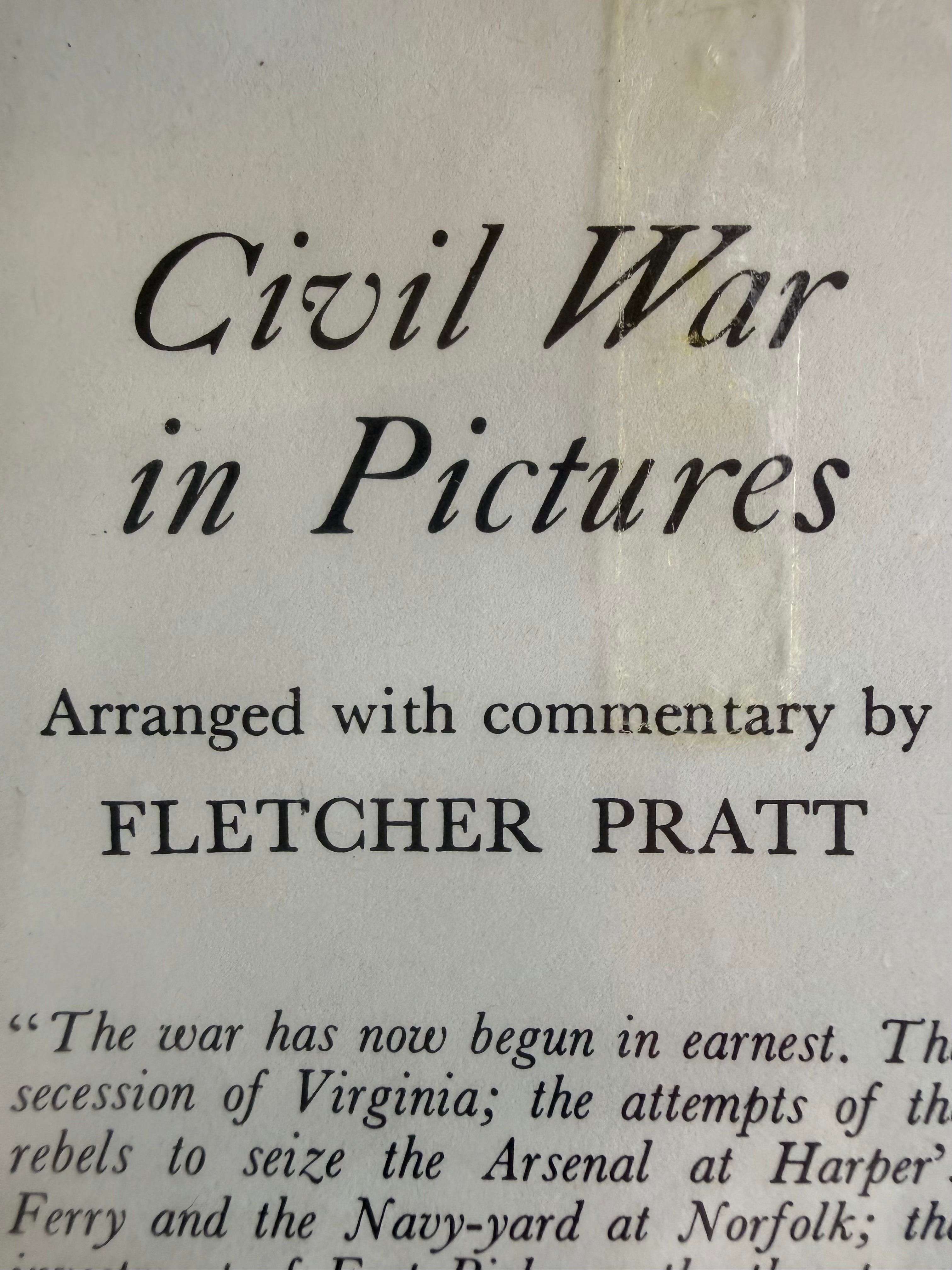
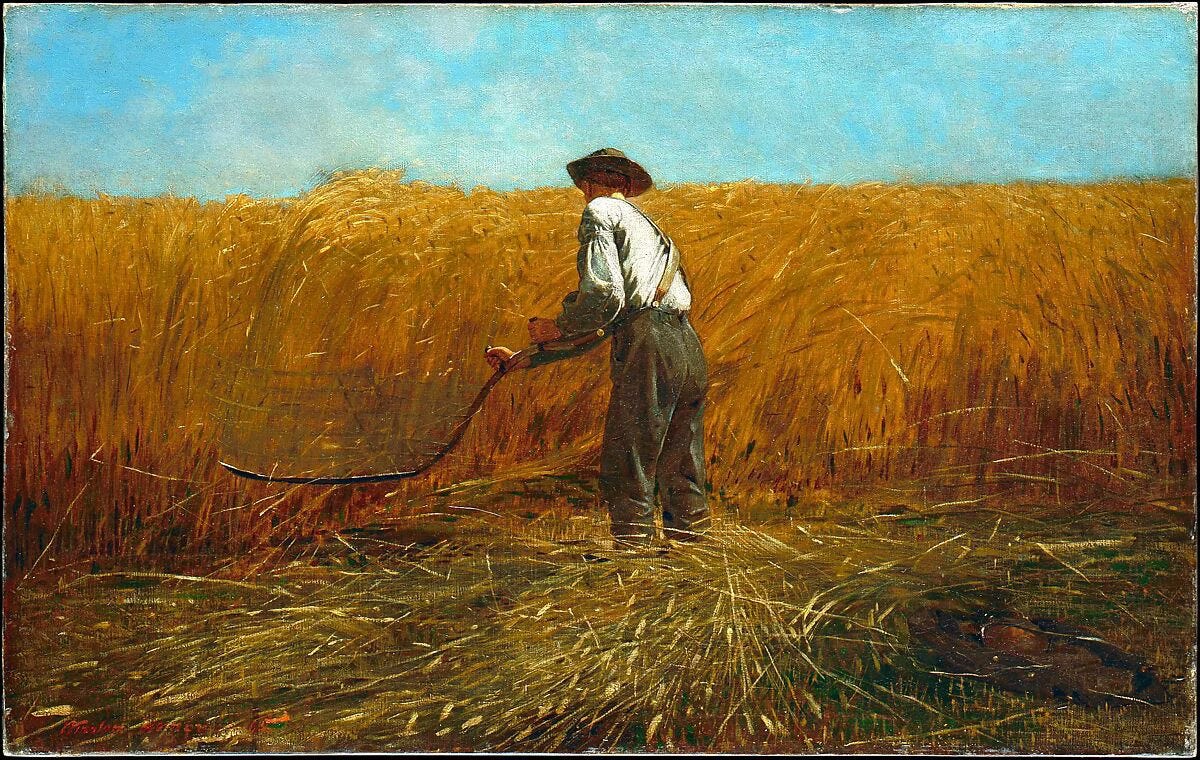
Pratt’s book has the subtitle: “From the drawing boards of the newspaper artists who recorded the conflict.” It is full of amazing line drawings, woodcuts based on drawings made by artists there on the ground. Men with sketch books and pencils traveled with the armies and documented the action. Their drawings would be sent back to the home office, where woodcuts would be made from the drawings and then printed. Weekly publications dispatched dozens of “special artists” at different times to document the action, and the renowned American painter Winslow Homer was among them (famous for paintings like “Snap the Whip” and “Veteran in a New Field.”)
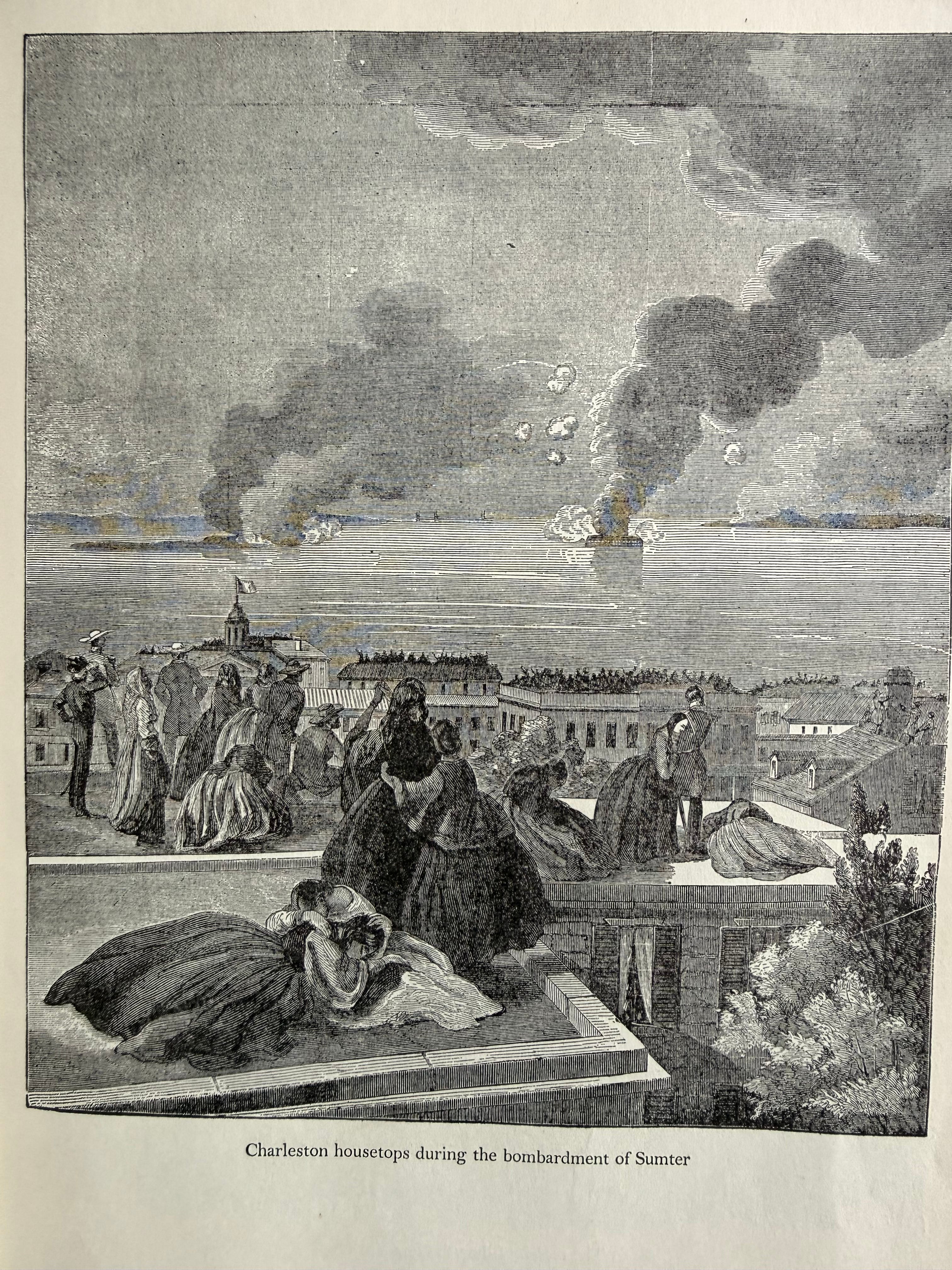
Most of the pictures and a lot of the text is pulled from Harper’s Weekly and Frank Leslies’ Illustrated Newspaper. Pratt offers commentary and reflections along the way, putting the reports in context and addressing errors. The pictures each have a descriptive caption, so the book is informative and a joy to flip through while only looking at the pictures. They capture a remarkable level of detail in a simple, elegant, black and white format including even early moments from the war:
As the war proceeds, it is clear the artists are not far from the action.
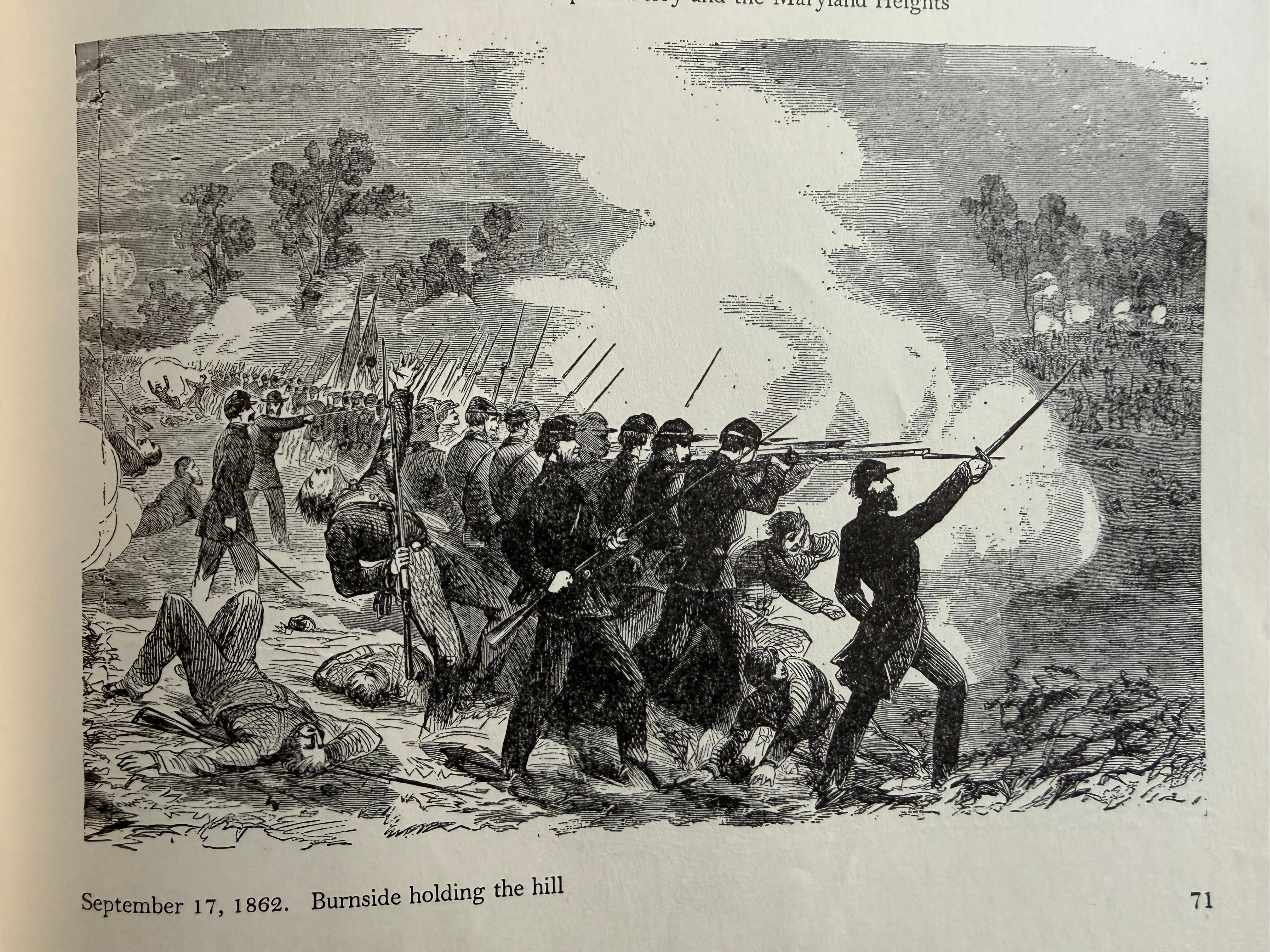
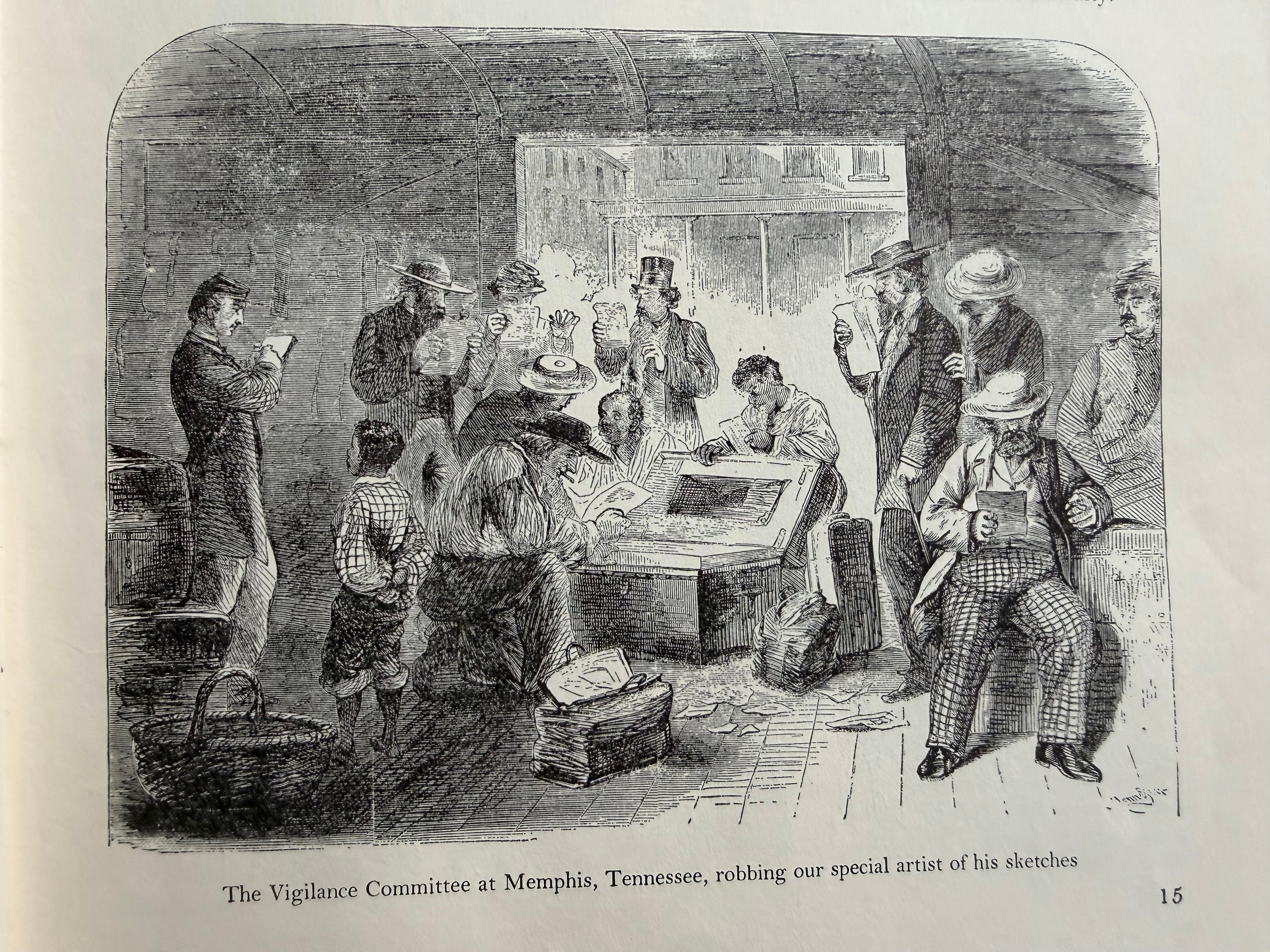
The book includes hundreds of images like this. At times the artists break the third wall and show how they became a part of the very conflict they were covering. Here’s one with the caption, “The Vigilance Committee at Memphis Tennessee robbing our special artist of his sketches.”
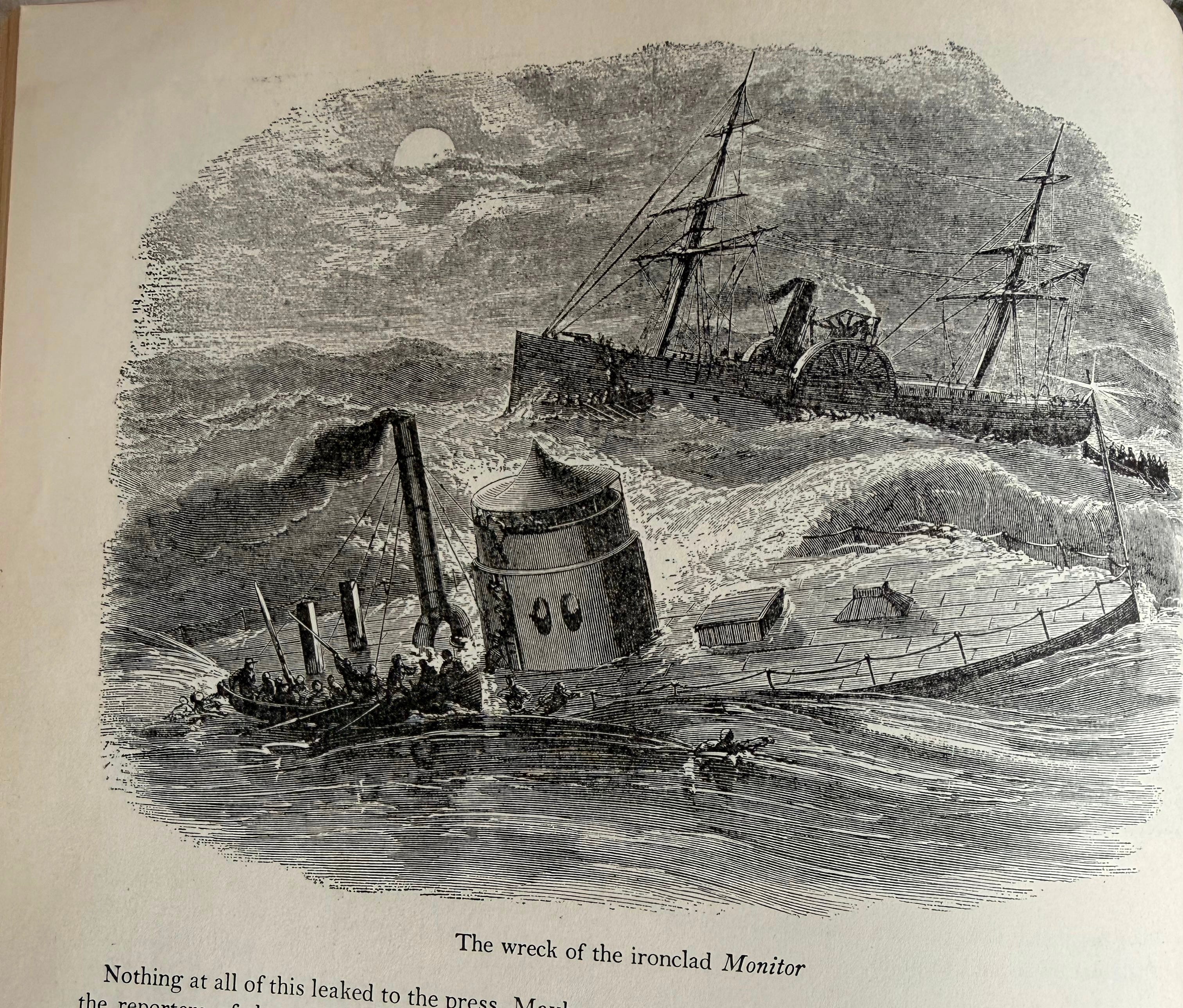
There are also a number of illustrations of nautical battles as well, including the Merrimack and the Monitor.
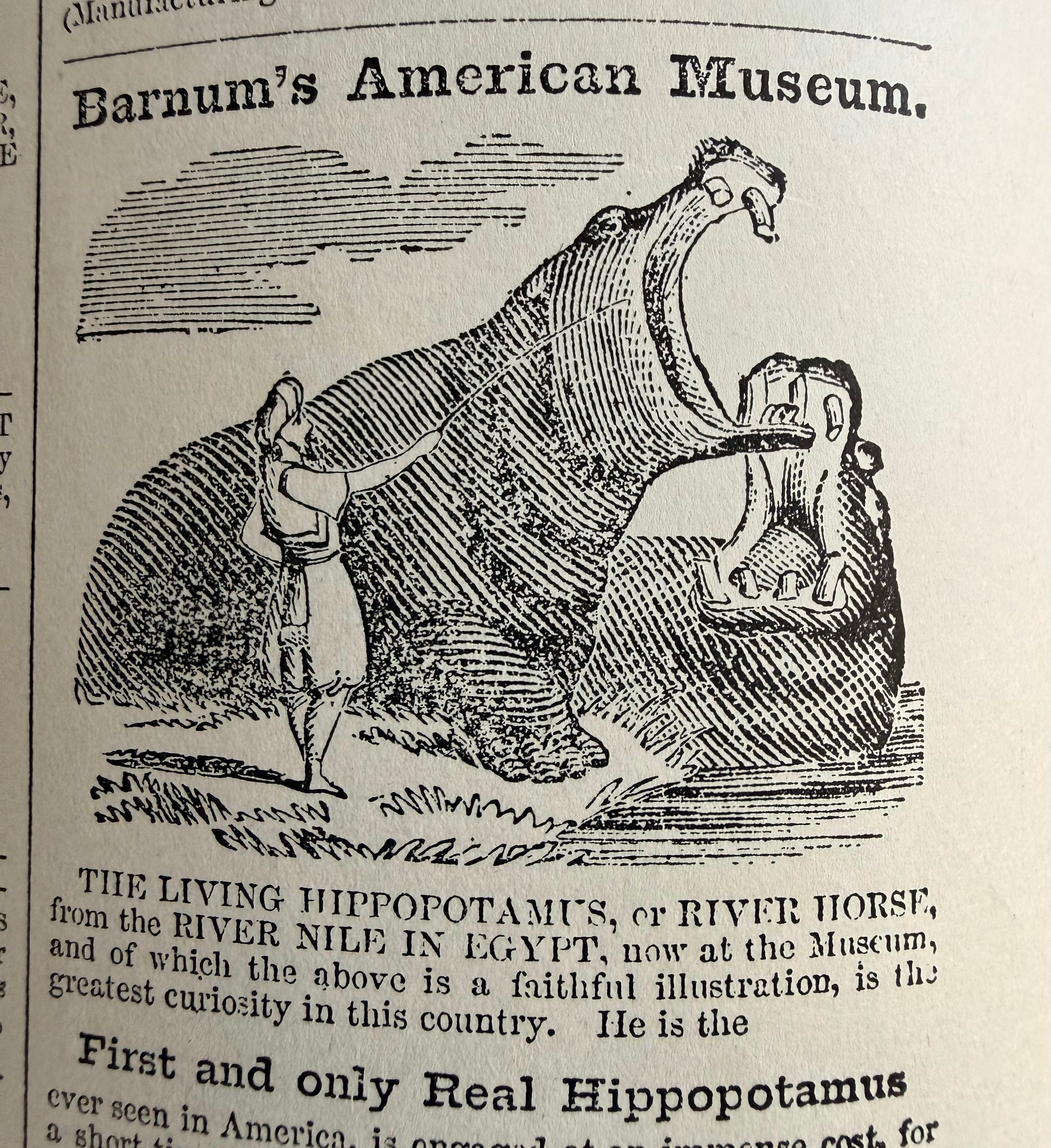
In addition, Pratt includes additional details from the publications of the day, including advertisements for employment, watches, and the zoo—which features a hippo, or as you might know it, a “river horse.”
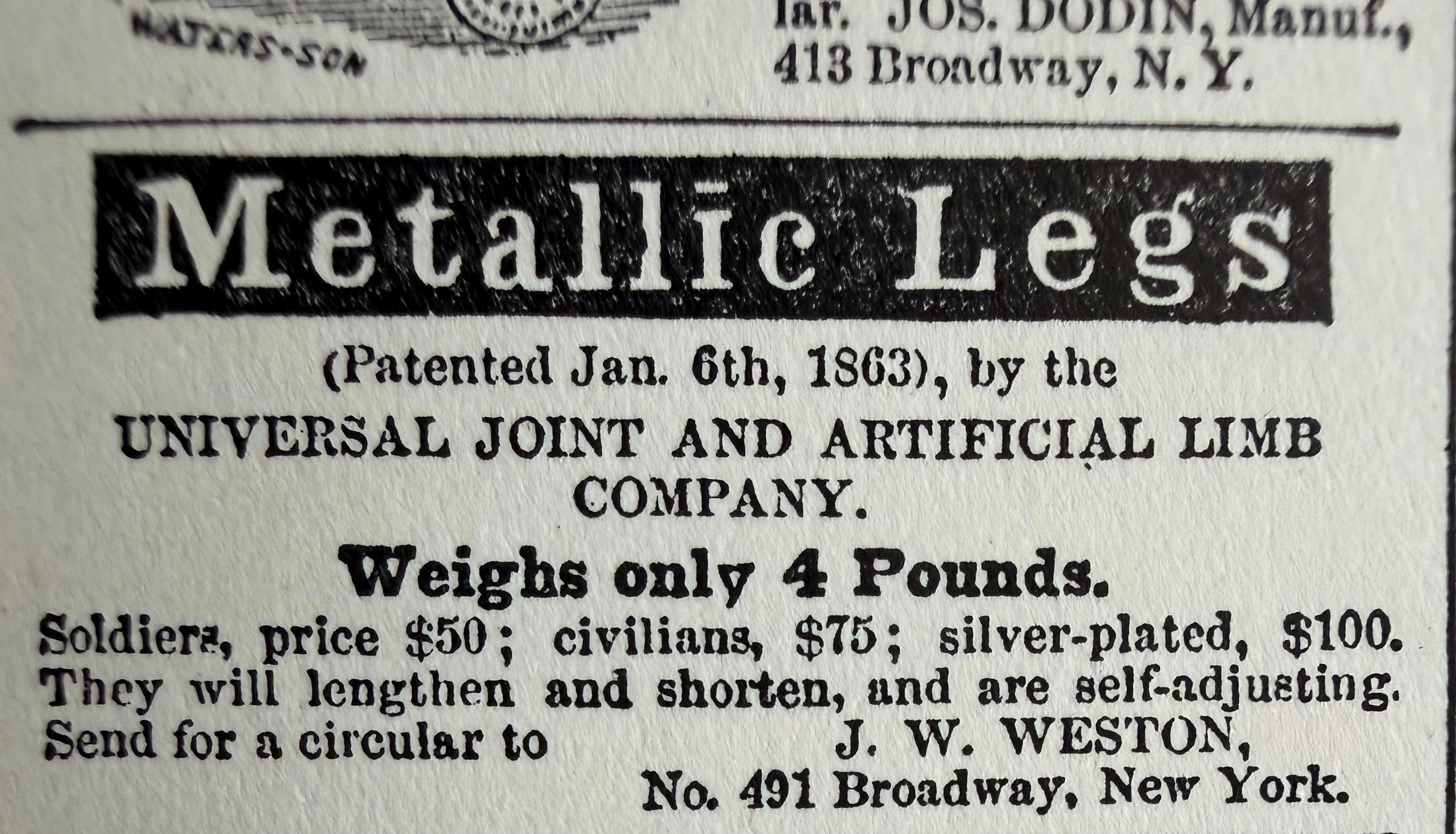
Eventually, and more ominously, the pages include many ads for prosthetic limbs.
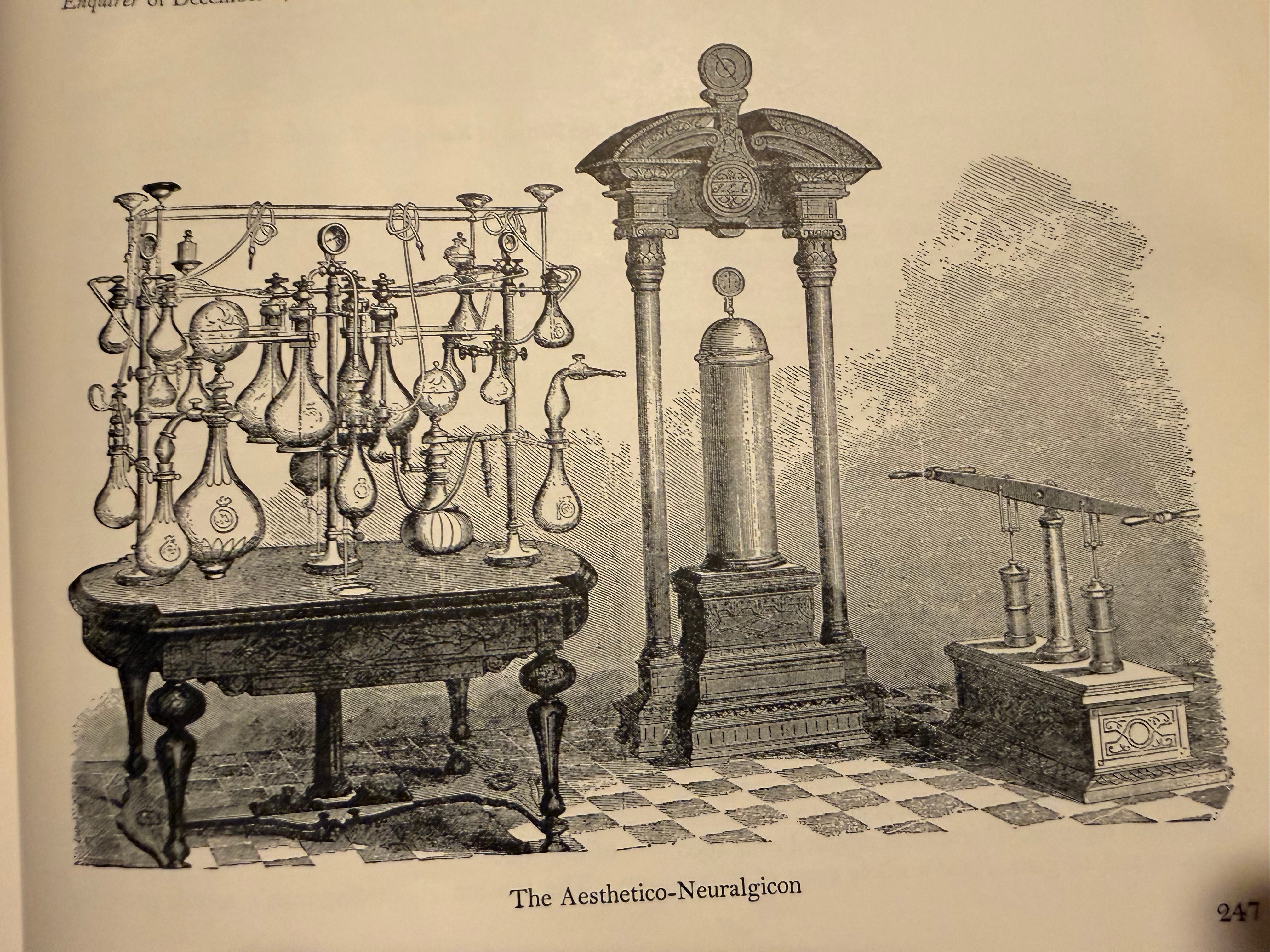
There are also ads for medical solutions for various ailments, including dyspepsia tablets, beard growth formulas, and most impressively the “aesthetico-neuralgicon” which Pratt describes as a “homeopathic … cure for everything.” I need to learn more about this one.
In Pratt’s introduction, he acknowledges that the book is decidedly a story told from the Union perspective. He says “the story is necessarily one-sided, [because] there were no illustrated weeklies published in Richmond.” A 1955 New York Times review calls out and contradicts Pratt on this claim, pointing out “that The Southern Illustrated News, a weekly issued [from] 1862-65, was published in Richmond.” It seems the Times—in 1955—was worried about getting a better presentation of the Confederate point of view (NYT is known to lean Democratic in its politics). That said, It would be interesting to see what was published in those journals at the time.
There is no doubt that the book is a period piece, drawing most of its content directly from original sources during the war years with commentary from 1955. It is a thorough history of the war with amazing pictures and accounts provided from the field. Definitely worth requesting from your local library or acquiring your own copy.