
Heinrich Biber (1644-1704) composed a series of pieces for violin as meditations on the rosary. Sometimes called the “Mystery” sonatas as there is one piece for each mystery included in the rosary. Taken together, the mystery sonatas run about two hours. October is the month of the rosary, so this is a great time to dive in.
The works fit the mold of beautiful baroque era violin music, similar to works by Bach or Telemann. That said, on my first listen through these, I was eager to hear how each piece would capture the character of the mystery contemplated. Would the “scourging at the pillar” remind me of the Allman Brother’s “Whipping post?" No. No, it would not. There are no literal harsh strikes or screeches, nothing that would sonically depict a scourging. Peter and the Wolf this is not.
There are considerable musical markers separating the mysteries from one another, however, elements that characterize the story from the Gospel being contemplated. Choices for key structure, musical forms, and instrumental flourishes vary from piece to piece. Those differences are—to an ear trained on rock and jazz music—subtle and take some education to discern. I am not there yet.
Biber was famous for and makes great use of scordatura tuning, alternate tunings of the violin strings to achieve different sonic characteristics. Some suggest that the tuning for the scourging at the pillar, for instance, is so extreme as to torture the instrument.* The tuning for the Crucifixion calls for the strings to create a cross below the bridge.
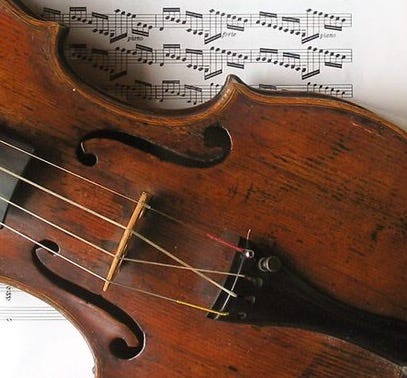
The music is still written “normally” resulting in the player hearing different notes than they would typically hear when they play a given note on the page. Scordatura, I believe, translates literally to “crazytown tuning.” Worse than that—for the players—each of the rosary sonatas is written in a different scordatura tuning. I suspect the term was recognized a curse word in baroque musical circles as violinists would shout “Scordatura!” while throwing their instrument to the ground.
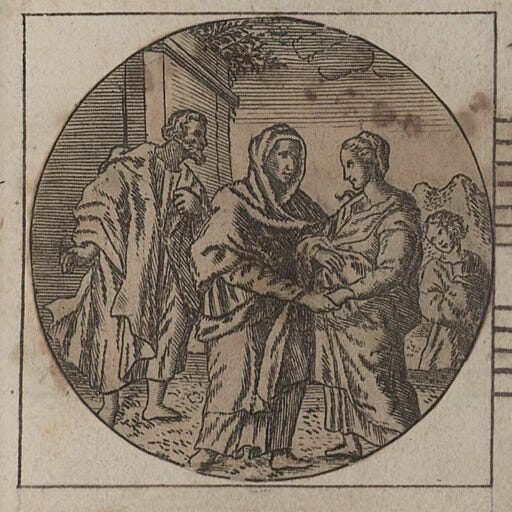
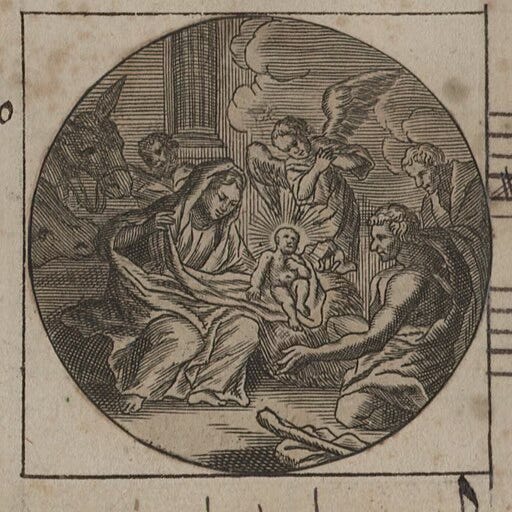
When published, each piece included a copper engraving depicting each mystery presented in the music. In fact, the compositions do not have titles, but the copper engravings served as the name of each piece. Below is a link to a recent recording of Biber’s Mystery Sonatas and each of the images from the original copper engravings.
These are highly technical, very difficult pieces of music to play. They are beautiful however, and not at all difficult to listen to. They make for terrific meditative listening.
Joyful Mysteries: The Annunciation
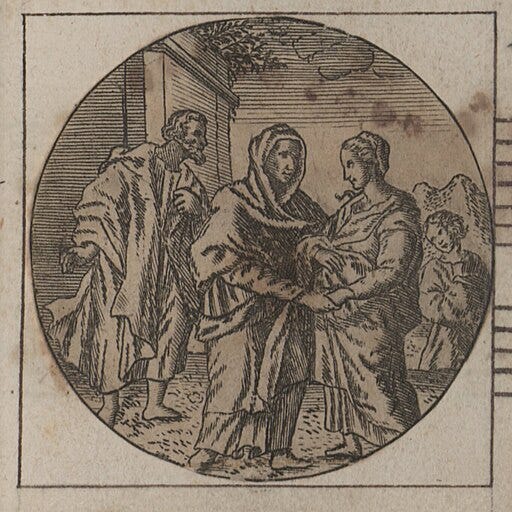
Joyful Mysteries: The Visitation
Joyful Mysteries: The Nativity
Joyful Mysteries: The Presentation
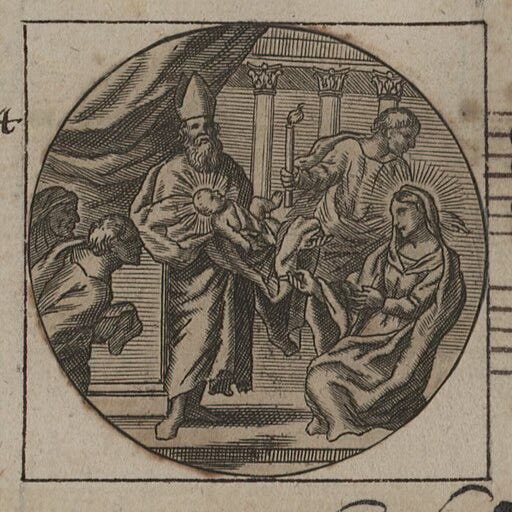
Joyful Mysteries: The Finding in the Temple
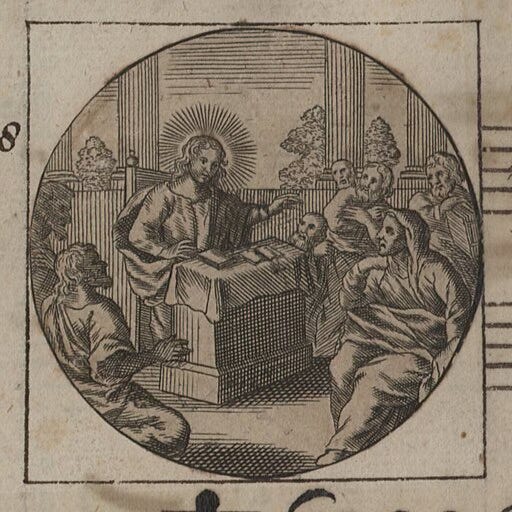
Sorrowful Mysteries: Agony in the Garden
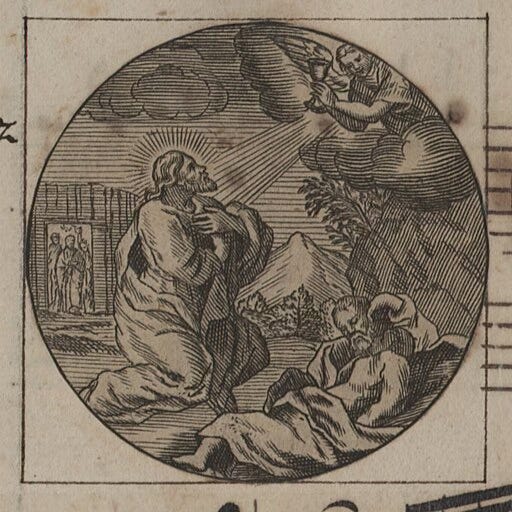
Sorrowful Mysteries: Scourging at the Pillar
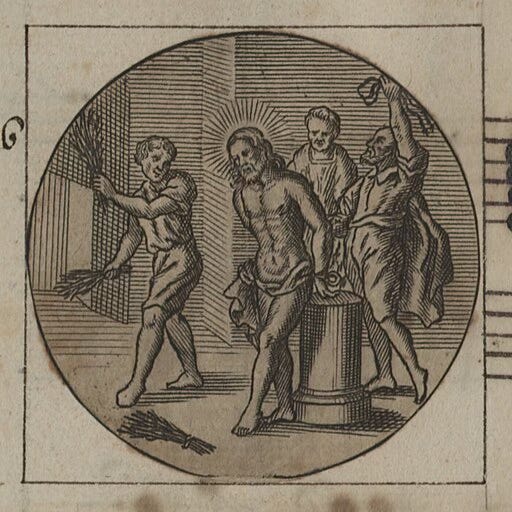
Sorrowful Mysteries: Crowing With Thorns
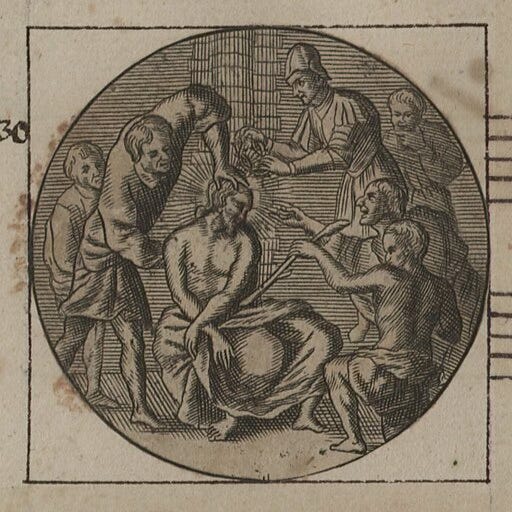
Sorrowful Mysteries: Carrying the Cross
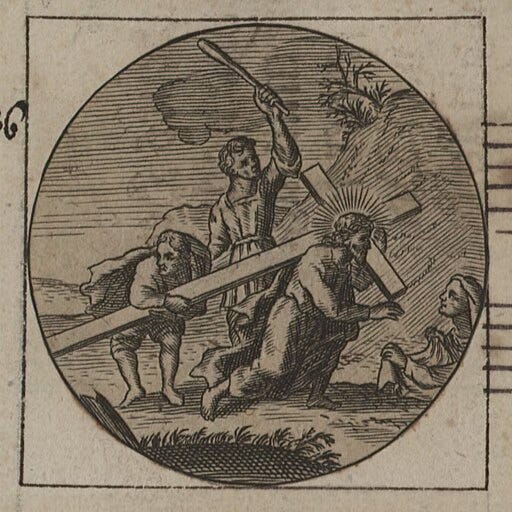
Sorrowful Mysteries: The Crucifixion
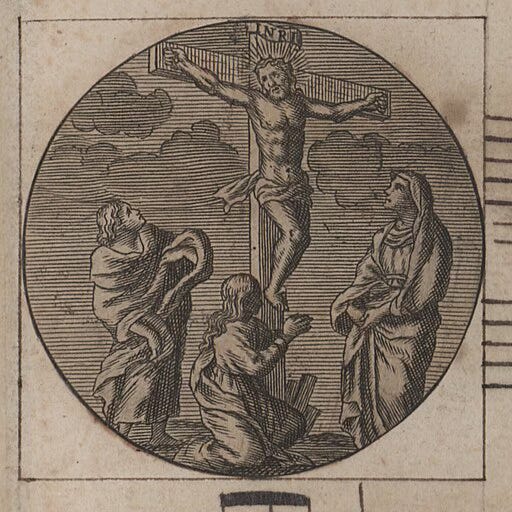
Glorious Mysteries: The Resurrection
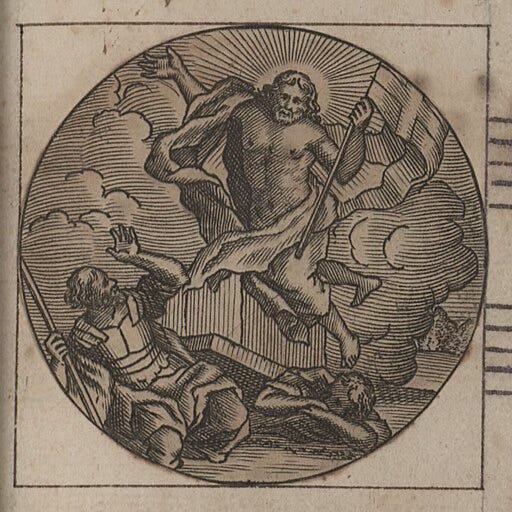
Glorious Mysteries: The Ascension
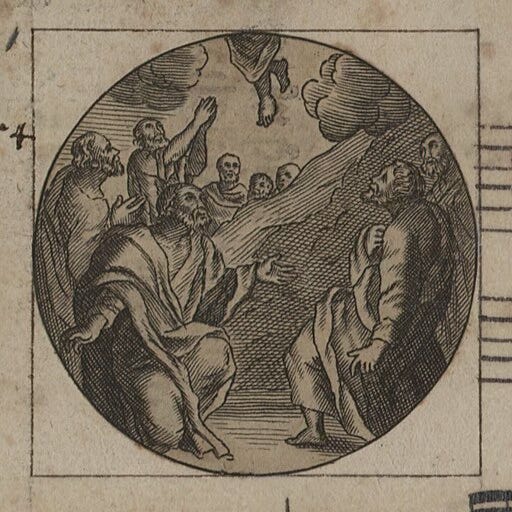
Glorious Mysteries: The Descent of the Holy Ghost
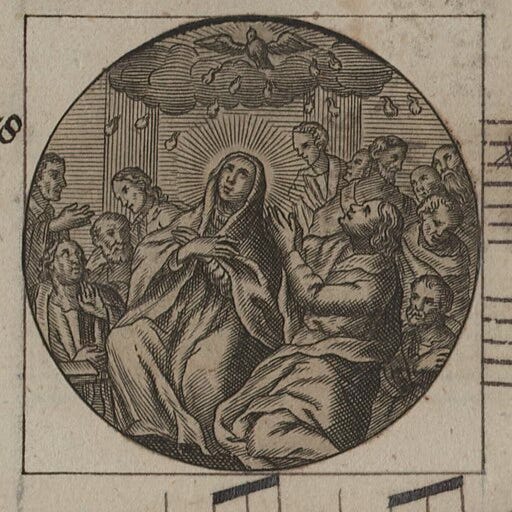
Glorious Mysteries: Assumption of Mary
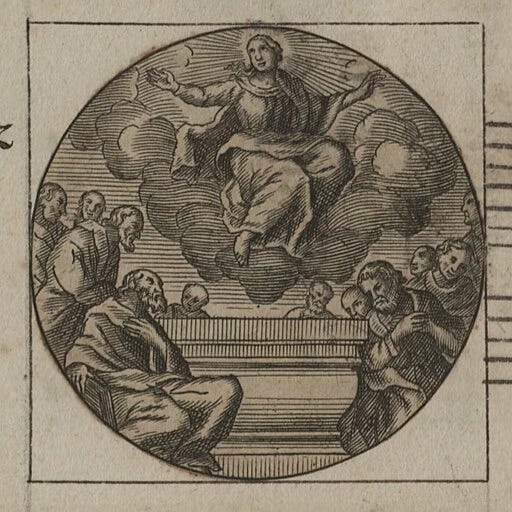
Glorious Mysteries: Crowning of Mary
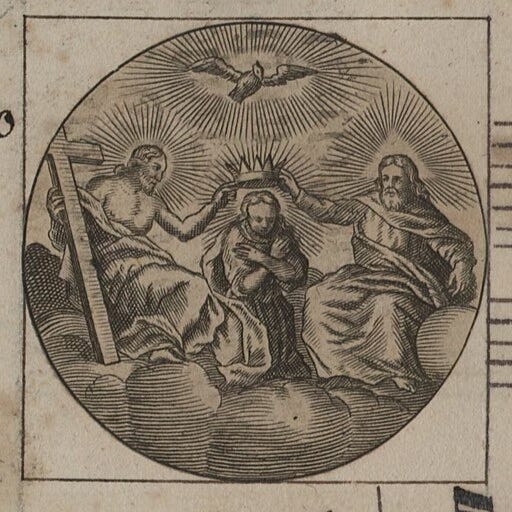
Images credit to wikicommons SA 4.0
*DeSouza, “Instrumental Transformations in Heinrich Biber’s Mystery Sonatas”, Journal for the Society of Music Theory